Embracing Softness: A Guide to Using 12 Pastel Patterns in Creative Design
In the world of digital design and physical crafting, the choice of background texture often dictates the emotional tone of a project. While bold colors demand attention, subtle hues invite interaction. This is where 12 Pastel Patterns come into play, offering a versatile foundation for creators who seek to infuse their work with a sense of calm, elegance, and timeless charm. Whether you are a seasoned graphic designer, a hobbyist scrapbooker, or a small business owner creating marketing materials, understanding how to leverage these soft, dreamy textures can significantly elevate the quality of your output.
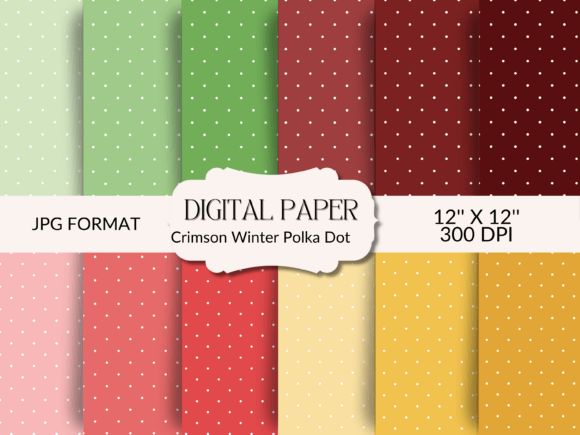
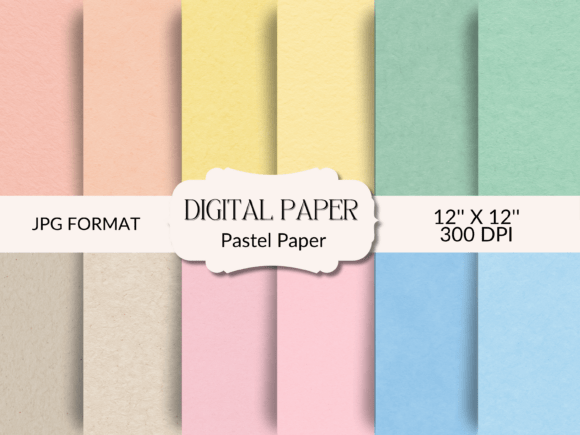
The product description highlights a collection of 12 high-resolution JPG files, each sized at 12x12 inches with a resolution of 300 DPI. These specifications are not merely technical details; they represent a commitment to quality that ensures your designs look crisp whether viewed on a smartphone screen or printed as a tangible keepsake. In this article, we will explore the practical applications, aesthetic benefits, and strategic considerations of incorporating these pastel patterns into your creative workflow.
Understanding the Aesthetic Appeal of Pastel Palettes
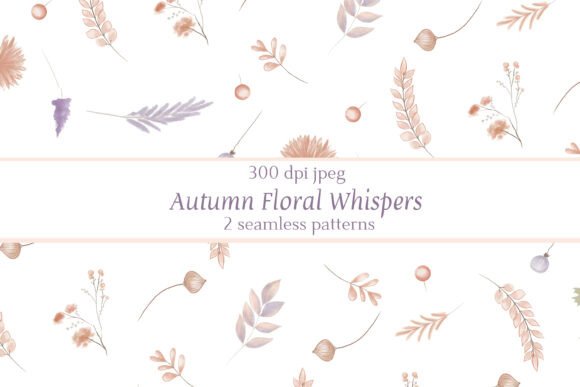
Pastel colors—soft pinks, mint greens, baby blues, and lavenders—are inherently associated with springtime, renewal, and tranquility. Unlike saturated primary colors that can feel aggressive or urgent, pastels create a visual environment that is welcoming and approachable. When combined with simple yet elegant patterns, such as subtle stripes, delicate dots, or gentle geometric shapes, these colors achieve a balance between interest and restraint.
The value of using 12 Pastel Patterns lies in their versatility. They serve as a neutral canvas that allows other elements, such as typography, photographs, or logos, to stand out without competing for visual dominance. For instance, a wedding invitation designed with one of these soft backgrounds will naturally convey romance and grace, while a journal cover utilizing a similar pattern might suggest mindfulness and organization. The key characteristic here is subtlety; the patterns enhance rather than overwhelm.
Why Resolution and Size Matter
One of the most critical aspects of digital paper products is the file specification. The inclusion of 300 DPI (dots per inch) resolution is a significant advantage for users who intend to print their creations. Low-resolution images often appear pixelated or blurry when scaled up for print, ruining the professional finish of a project. By providing 300 DPI files, this set ensures that every line and curve remains sharp and clear.
Furthermore, the 12x12 inch standard size is widely recognized in the scrapbooking and crafting community. It aligns perfectly with standard album pages, card bases, and many digital planning templates. This compatibility reduces the need for complex resizing or cropping, saving time and preserving the integrity of the original design.
Practical Applications Across Different Mediums
The utility of these digital papers extends far beyond a single niche. Their adaptability makes them suitable for a wide array of projects. Below, we examine some of the most common and effective uses for 12 Pastel Patterns.
Stationery and Invitations
For events like weddings, baby showers, and birthday parties, first impressions are crucial. A well-designed invitation sets the expectation for the entire event. Using a pastel patterned background provides an instant touch of sophistication. You can layer text boxes, floral graphics, or calligraphy over these patterns to create unique, custom invitations that feel personal and handcrafted, even if they are digitally produced.
- Bridal Showers: Soft pinks and creams evoke feelings of celebration and femininity.
- Baby Announcements: Gentle blues and yellows offer a gender-neutral or traditionally colored backdrop for sharing news.
- Corporate Events: Muted sage greens or slate blues can provide a professional yet relaxed atmosphere for networking mixers or team-building retreats.
Digital Scrapbooking and Journaling
Digital scrapbooking has grown immensely popular among those who prefer organizing memories electronically. These users often utilize apps like GoodNotes, Notability, or specialized scrapbooking software. The 12x12 JPG format is ideal for dragging and dropping into these platforms. The patterns act as virtual page backgrounds, allowing users to add photos, stickers, and journaling cards seamlessly.
For bullet journal enthusiasts, these patterns can be used to create digital weekly spreads or monthly calendars. The calming nature of the colors helps reduce visual clutter, making it easier to focus on tasks and goals. Additionally, because the files are JPGs, they are compatible with almost all devices and editing software, from Adobe Photoshop to free online tools like Canva.
Printables and Educational Materials
Teachers, parents, and content creators often produce printable worksheets, coloring pages, and educational charts. A plain white background can sometimes feel stark or boring. Incorporating a subtle pastel pattern adds a layer of engagement without distracting from the learning material. For example, a math worksheet with a very faint grid or dot pattern can help children visualize alignment and structure.
Small businesses selling printables on platforms like Etsy also benefit greatly from these assets. Instead of designing every background from scratch, entrepreneurs can use these pre-made patterns as base layers, adding their own branding elements on top. This streamlines the production process and allows for a consistent brand aesthetic across different product lines.
Evaluating Suitability for Your Project
While 12 Pastel Patterns offer numerous advantages, it is important to consider whether they align with your specific project needs. Not every design requires a textured background, and sometimes simplicity is key. Here are a few factors to evaluate before integrating these patterns into your work.
Contrast and Readability
The primary concern when using patterned backgrounds is ensuring that foreground elements remain legible. If you plan to overlay heavy text or complex graphics, choose a pattern with low contrast. Busy patterns may interfere with reading comprehension or make logos difficult to recognize. Always test your design by viewing it at actual size to ensure that the text stands out clearly against the background.
Brand Consistency
For business owners, maintaining brand identity is paramount. If your brand uses bold, high-contrast colors, a soft pastel pattern might clash with your existing visual language. However, if your brand aims to communicate approachability, warmth, or creativity, these patterns can reinforce those values. Consider how the softness of the pastels complements your overall message and target audience.
Technical Compatibility
Although JPG is a universally supported format, it is worth noting that JPG does not support transparency. This means that if you need to place the pattern over another image or shape, the edges will be solid. For more advanced editing, PNG formats with transparent backgrounds are preferable, but for standard layout purposes, JPGs are efficient and easy to manage. Ensure your software supports high-resolution JPG imports to avoid any compression artifacts.
Maximizing Value Through Creative Experimentation
To get the most out of your 12 Pastel Patterns, do not limit yourself to using them as static backgrounds. Experiment with blending modes, opacity settings, and layering techniques. For example, reducing the opacity of a pattern can create a watermark effect, adding depth to solid-colored sections. Alternatively, combining two different patterns from the set can result in a unique, hybrid texture that no one else has.
Consider the seasonal relevance of the colors. Pastels are often associated with spring, but certain shades can work year-round. Mint green and lavender can feel refreshing in summer, while dusty rose and soft gray can provide a cozy, autumnal vibe when paired with warm lighting or textures. This flexibility allows you to reuse these assets across multiple seasons and projects, maximizing their long-term value.
Real-World Scenarios
Imagine a freelance illustrator preparing a portfolio website. By using one of the pastel patterns as a header background, the site immediately feels curated and artistic. Or picture a mom blogger creating a printable chore chart for her children. The gentle colors make the task feel less like a burden and more like a fun activity. These scenarios highlight how small design choices can have a big impact on user experience and emotional response.
Conclusion
In conclusion, 12 Pastel Patterns represent more than just a collection of digital images; they are tools for enhancing communication through design. Their combination of high resolution, standard sizing, and aesthetically pleasing colors makes them an invaluable asset for anyone involved in creative production. From digital planners to printed invitations, these patterns provide a reliable foundation that supports clarity, beauty, and professionalism.
By understanding the strengths of these assets and applying them thoughtfully to your projects, you can create works that resonate with your audience on a deeper level. Whether you are looking to soften a corporate presentation or add a touch of whimsy to a personal journal, these 12 patterns offer a simple yet effective solution. Embrace the softness, explore the possibilities, and let these designs bring a touch of charm to your next creative endeavor.