Morphing Surface Patterns
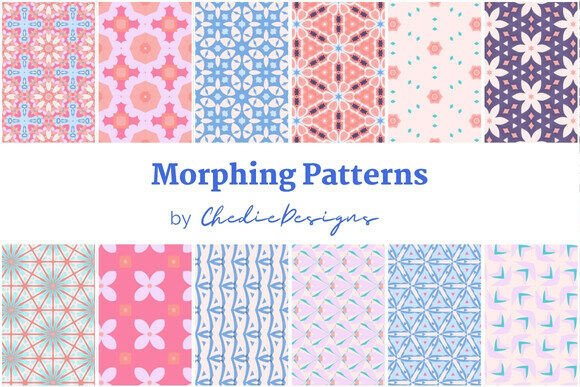
In the contemporary digital landscape, visual identity is no longer static; it is fluid, adaptive, and deeply integrated into every touchpoint of a brand or creative project. Morphing Surface Patterns represent a significant evolution in how designers, entrepreneurs, and hobbyists approach texture and background design. These are not merely decorative elements but functional assets that bridge the gap between organic artistry and industrial precision. Generated from a high-fidelity digital illustration created with Procreate and titled Morphing, this collection offers a unique blend of hand-drawn authenticity and technical versatility.
The relevance of such patterns lies in their ability to provide depth and character without overwhelming the primary content. Whether you are designing a wedding invitation suite, developing a brand’s packaging strategy, or curating a blog’s aesthetic, the demand for visuals that feel both modern and timeless is at an all-time high. This specific set of twelve seamless patterns delivers exactly that balance, offering creators a robust toolkit for enhancing their projects with minimal friction.
The Intersection of Digital Art and Seamless Design
To understand the value of these patterns, one must first appreciate the methodology behind their creation. Unlike vector-based geometric repeats that can sometimes feel rigid or overly sterile, these patterns originate from a digital illustration drawn using Procreate. This choice of medium is critical. Procreate allows for the capture of subtle brush textures, pressure sensitivity, and organic flow that mimic traditional media like watercolor, ink, or charcoal, yet retains the crispness required for commercial printing.
The term "morphing" in the title suggests a dynamic quality—a sense of movement or transformation within the still image. When applied as a surface pattern, this creates a subconscious visual interest that draws the eye without demanding active attention. For web designers and marketers, this is invaluable. A background that feels alive enhances user engagement, whereas a flat, monotonous color can cause visitors to disengage quickly. By utilizing patterns generated from such expressive source art, professionals can elevate standard layouts into immersive experiences.
Technical Specifications and Workflow Integration
For any creative professional, the usability of an asset is just as important as its aesthetic appeal. The Morphing Surface Patterns pack addresses common workflow bottlenecks by providing files that are ready for immediate deployment. Each of the 12 patterns is delivered as a JPEG file at 300 DPI (dots per inch) with dimensions of 3000x3000 pixels. These specifications are not arbitrary; they are tailored to meet the rigorous demands of both print and digital media.
- High Resolution for Print: At 300 DPI, these images meet the industry standard for offset and digital printing. This ensures that whether you are producing hundreds of business cards, luxury packaging boxes, or large-format party decorations, the output remains sharp and free of pixelation. The 3000x3000px resolution provides ample canvas size for scaling up without loss of quality, allowing for flexible layout options.
- Seamless Tiling Capability: As seamless patterns, these designs tile infinitely without visible breaks or edges. This feature is essential for creating backgrounds for websites, mobile apps, and textiles. It eliminates the need for complex Photoshop techniques to mask seams, saving hours of manual labor for graphic designers and developers.
- Universal Compatibility: The JPEG format ensures broad compatibility across all major design software, including Adobe Creative Cloud, Affinity Suite, Canva, and basic operating system tools. This accessibility lowers the barrier to entry for freelancers and small business owners who may not have access to specialized vector editing tools.
Practical Applications Across Industries
The versatility of the Morphing collection allows it to serve a wide array of industries. Its adaptability stems from the neutral yet sophisticated nature of the underlying illustration, which can be layered over various color palettes or used as-is for monochromatic designs. Below are several key areas where these patterns deliver immediate value.
Event Design and Stationery
The wedding and event planning sector is increasingly moving away from generic clipart toward bespoke, artistic aesthetics. Couples and planners are looking for stationery that tells a story. Using these seamless patterns for invitation backs, RSVP cards, or table numbers adds a layer of sophistication. Furthermore, the patterns are ideal for creating custom wrapping paper for gift boxes included in party favors, ensuring a cohesive theme from the invitation to the final thank-you note.
E-Commerce and Packaging
In the age of unboxing videos and social media sharing, product packaging has become a marketing channel in itself. Brands are under pressure to create visually striking packages that stand out on shelves and in photos. Applying Morphing Surface Patterns to cardboard mailers, tissue paper, or product labels can transform a mundane shipping box into a branded experience. For small businesses and Etsy sellers, this level of customization helps justify premium pricing and builds customer loyalty through perceived care and detail.
Digital Content Creation
Blogger, educators, and content creators constantly seek ways to differentiate their digital presence. Blog backgrounds, slide decks for presentations, and social media story templates benefit greatly from textured overlays. The 3000x3000px size is sufficient for most desktop and tablet displays, while the seamless nature allows for easy repetition in CSS or design software. For educators, these patterns can make lecture slides more engaging, reducing cognitive fatigue for students by providing a visually pleasing backdrop that doesn’t distract from the text.
Fabric and Home Decor
The resurgence of DIY home decor and personalized gifts has opened new markets for printable surfaces. These patterns are well-suited for printed fabrics, such as cotton blends used in sewing projects, or for decorative papers used in scrapbooking. The high resolution ensures that when printed on fabric, the colors remain vibrant and the lines crisp, making them suitable for quilting, apparel design, or home accent pieces like throw pillows and curtains.
Trends Shaping Modern Pattern Usage
Why are we seeing a renewed focus on surface patterns now? Several cultural and technological shifts are driving this trend. First, there is a growing consumer preference for "handmade" aesthetics even in mass-produced goods. People crave connection and authenticity. Because these patterns are derived from a Procreate illustration, they retain the human touch of the artist’s hand, satisfying the desire for organic beauty in a digital world.
Secondly, the rise of remote work and digital nomadism has changed how people interact with screens. Backgrounds for video calls, desktop wallpapers, and digital journals are part of daily life. Users are actively seeking wallpapers that are calming, interesting, and personalized rather than default stock images. The Morphing patterns offer a sophisticated alternative to plain colors, allowing individuals to customize their digital environments easily.
Finally, sustainability in design is becoming a priority. Digital assets reduce the need for physical prototyping. By having high-quality, ready-to-use patterns, designers can visualize concepts instantly and send final files directly to printers, reducing waste associated with trial-and-error physical mockups. This efficiency appeals to eco-conscious brands and busy professionals alike.
Maximizing Value for Creators and Businesses
For those looking to incorporate Morphing Surface Patterns into their workflow, the key lies in experimentation and layering. Do not limit yourself to using the pattern as a full-page background. Consider using them as accents—perhaps as a border element on a resume, a watermark for portfolio images, or a texture overlay on solid-colored graphics to add depth.
Businesses can leverage these patterns to maintain brand consistency across diverse mediums. If your brand guidelines include a specific color palette, these patterns can be tinted or adjusted in hue/saturation to match while retaining their structural integrity. This flexibility makes them a cost-effective solution for maintaining a polished look across business cards, letterheads, email signatures, and promotional materials.
Ultimately, the Morphing collection is more than just a set of images; it is a resource for enhancing visual communication. In a market saturated with content, the subtle power of a well-executed pattern can be the differentiator that captures attention, conveys professionalism, and leaves a lasting impression. By combining the artistic soul of Procreate with the practical demands of modern production, these patterns offer a compelling tool for anyone serious about their visual craft.